Let's
build
Memphis.
A goal to add 10,000 new and rehabilitated housing units by 2030—and work together for more housing choices in Memphis.
More possibility.
Memphis needs more kinds of homes.
Memphis needs more homes even without population growth because households are smaller than they used to be. Nearly four in ten households are people living alone, while about two in three homes are single-family. When choices are limited, it is harder to find a place that fits your household, your budget, and the neighborhood where you want to stay.
Rents and home values have risen faster than incomes, and older homes need investment so Memphis does not lose housing it already has. Adding 10,000 new and restored units is one measurable part of the response. The City must also protect existing homes, expand affordability, and align land, infrastructure, financing, and local builders to get the right homes built in the right places.
What counts?
The goal tracks completed housing units inside Memphis city limits from January 1, 2024, through December 31, 2030. New homes may be affordable or market-rate. The count measures homes added or restored; it does not mean all 10,000 homes will be affordable.
Does 10K mean 10,000 affordable homes?
No. The goal includes both affordable and market-rate new housing. Affordability matters deeply, but this progress number alone does not tell us whether residents can afford the homes being built. The campaign should report affordability alongside production as that data becomes available.
New homes and converted units
New dwelling units with completed permits, including new construction, accessory dwelling units, rebuilt homes, and eligible conversions.
Qualifying rehabilitated homes
For now, the rehabilitation count includes qualifying affordable homes returned from uninhabitable to livable condition. The City plans to capture eligible market-rate rehabilitation beginning in 2027.
What is tracked separately?
Permits in progress, available development sites, and routine repairs to habitable homes do not enter the completed-unit tally.
Housing looks like
many things.
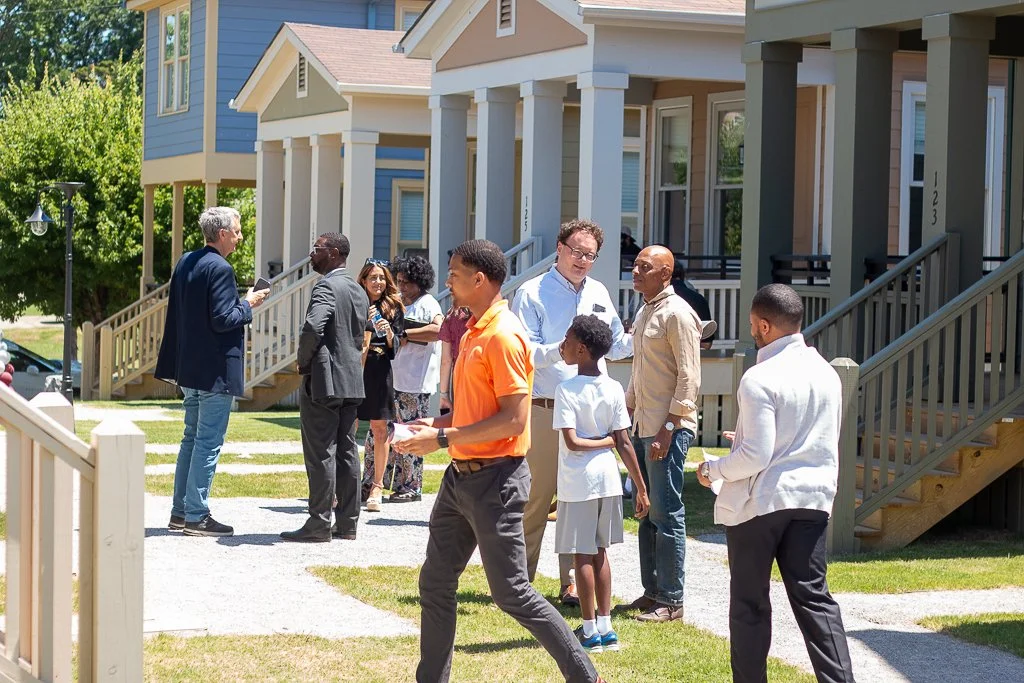
From neighborhood-scale cottages to mixed-income communities, Memphis builders are creating more ways to call this city home.
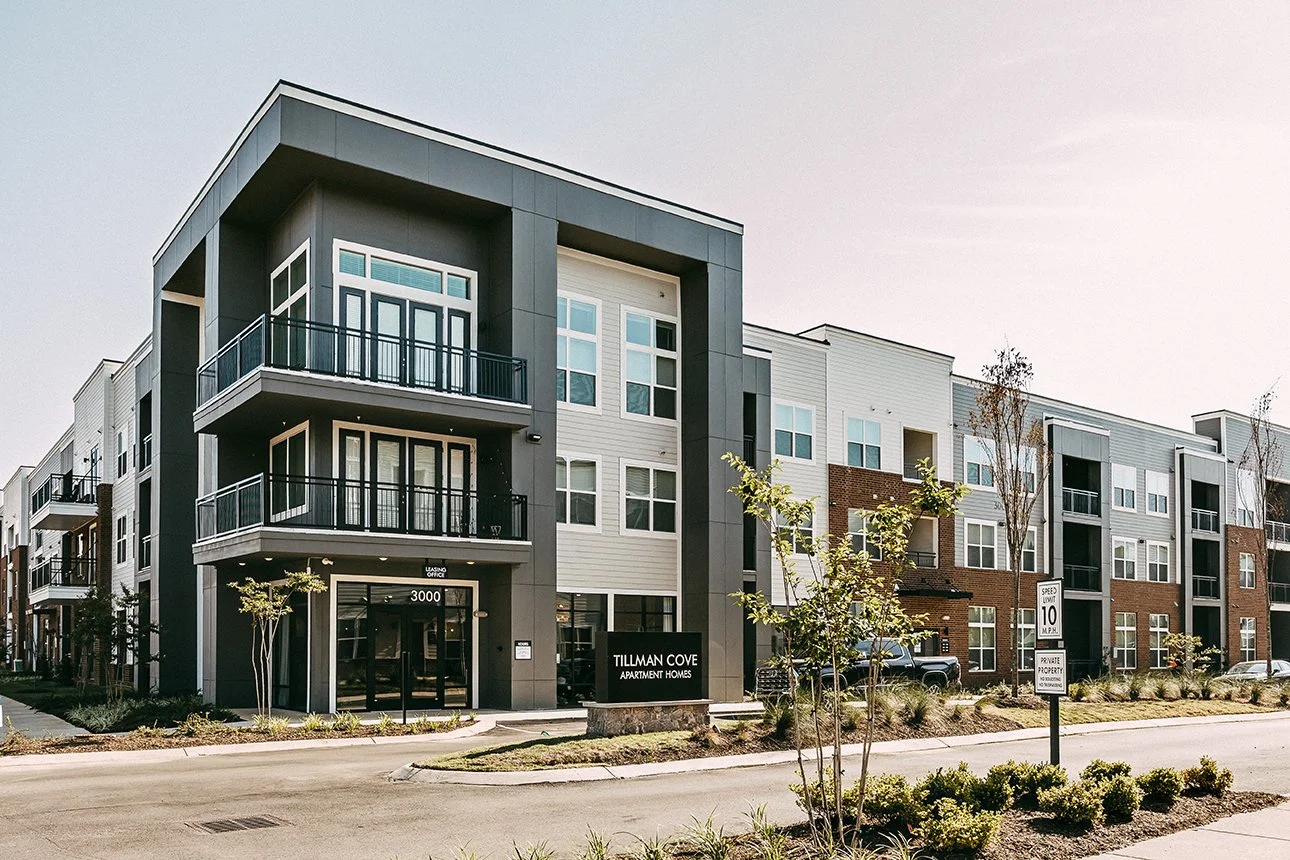
Tillman Cove
A mixed-income community featured in Groundbreakers’ vision. Explore the story ↗
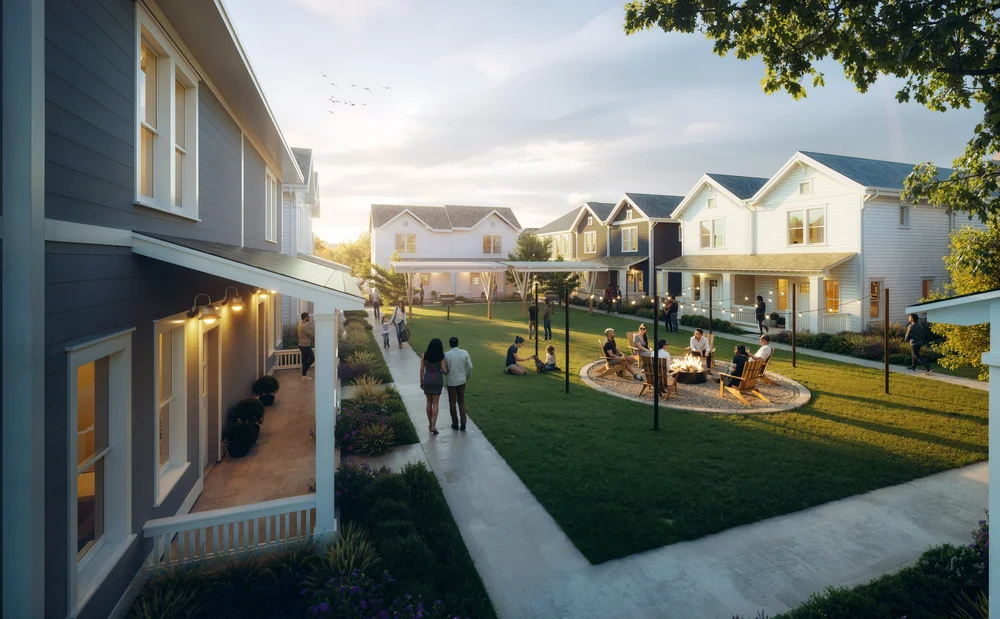
Room to grow
Explore public development opportunities ↗
See where Memphis
can grow.
The project map will show verified campaign locations when the public dataset is ready. Groundbreakers’ available properties are open to explore now.
Find the next opportunity.
See publicly available sites and learn how to start the development process.
It takes all of us.
Whether you need a home, build one, own land, or can bring resources, there is a way to follow the work and help shape it.
New homes.
Shared progress.
Follow the people and places behind the goal.
See what’s happening.
Find upcoming City housing events and community conversations.
View the City calendar ↗Get the fuller picture.
The State of Housing report will bring the data, challenges, and recommendations together when published.
Report link to be added after publication.